
Introduction
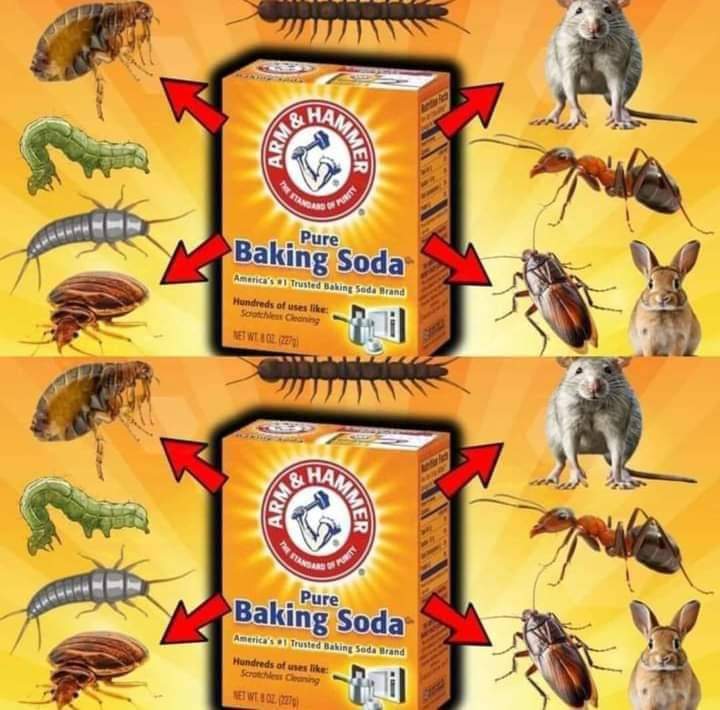
Have you ever thought that something as simple as baking soda could be your secret weapon in pest control? Most people know it as a kitchen staple used for baking and cleaning, but it turns out that this versatile powder can also help you get rid of unwanted pests. From fleas to cockroaches, ants, and even mice, baking soda is a natural, affordable, and safe way to protect your home. In this article, we’ll explore how baking soda works as a pest control agent, dive into specific methods for different pests, and offer tips for getting the most out of this humble household item.
Origin and Cultural Significance
Baking soda, or sodium bicarbonate, has been used for centuries for various purposes, from baking to cleaning and even medicinal uses. Its pest control properties have likely been known for just as long, though they aren’t as widely discussed. In many cultures, natural remedies like baking soda have always been preferred over chemical treatments for pest control, especially in households with children and pets. With the growing trend toward eco-friendly and non-toxic solutions, baking soda is making a comeback in modern homes as an essential tool for pest management.
Ingredients Quantity
Here’s what you’ll need for effective pest control using baking soda:
- Baking soda – The key ingredient for all methods.
- Salt – Works well for fleas and bedbugs.
- Sugar – Attracts ants, cockroaches, and mice.
- Water (optional) – For making paste solutions.
- Spray bottle (optional) – For easy application of some mixtures.
- Vacuum – To clean up after treatments.
Optional Additions
While baking soda works great on its own, there are some optional additions that can enhance its effectiveness:
- Essential oils (such as peppermint or lavender): These can be added to the mixture to repel pests and provide a pleasant scent.
- Diatomaceous earth: This powder can be used alongside baking soda for an extra drying effect on pests like bedbugs or fleas.
Tips for Success
Using baking soda for pest control requires a few key steps to ensure success:
- Apply in the right places: Make sure to place the baking soda mixture where pests are likely to come into contact with it, like entry points, bedding, or the kitchen.
- Consistency is key: Reapply the treatment regularly, especially after vacuuming or cleaning.
- Monitor the situation: Check regularly for signs of pests and adjust your strategy as needed.
- Be patient: Natural remedies like baking soda take time to work, but they’re safe and effective without harsh chemicals.
Instructions for Different Pests
Fleas
Fleas can be particularly annoying, especially if you have pets. Here’s how to tackle them with baking soda:
- Mix equal parts of baking soda and salt. The salt helps dehydrate the fleas, while the baking soda makes the environment less hospitable for them.
- Sprinkle the mixture on carpets, pet bedding, and other areas where fleas are present.
- Leave it for several hours, allowing it to work its magic.
- Vacuum thoroughly to remove dead fleas, eggs, and larvae. Repeat the process every few days until the fleas are gone.
Mice and Rats
Rodents can wreak havoc in homes, but baking soda offers a non-toxic solution:
- Mix baking soda with a small amount of sugar to attract the rodents.
- Place the mixture in areas where you suspect mice or rats are entering your home.
- Wait for them to consume it. The baking soda reacts with the acids in their stomachs, causing internal complications that ultimately drive them away.
- Monitor the baiting stations and reapply as needed until the rodents are no longer an issue.
Cockroaches
Cockroaches are resilient, but they aren’t immune to the power of baking soda:
- Combine equal parts of baking soda and sugar. The sugar lures the cockroaches in, while the baking soda proves fatal.
- Place the mixture near entry points or hiding spots like behind appliances or under sinks.
- Check regularly and refresh the mixture until the roaches are eradicated.
Ants
Ants are often attracted to sweets, making this method particularly effective:
- Mix baking soda with powdered sugar and sprinkle it along the ants’ trails.
- Watch as the ants carry the mixture back to their colony, slowly reducing their population.
- Reapply as necessary until the ants are no longer an issue.
Bedbugs and Centipedes
These pests can be particularly stubborn, but baking soda can help with them too:
- Sprinkle baking soda around your bed frame, mattress, and any other places where bedbugs may hide.
- Allow it to sit for a few days before vacuuming to absorb moisture from the bedbugs’ bodies.
- For centipedes, dust areas where you’ve seen them, disrupting their habitat and keeping them away.
Description
Baking soda works as a pest control agent due to its ability to absorb moisture, disrupt metabolic processes, and act as a mild abrasive. For pests like fleas, cockroaches, and ants, the desiccation property of baking soda dries them out, while for rodents, its reaction with stomach acids causes internal complications. What makes it so appealing as a pest control solution is its safety for humans and pets, affordability, and ease of use. Whether sprinkled dry or mixed with other ingredients, it can be adapted to combat a variety of household pests without the need for harsh chemicals.
Conclusion
Harnessing the power of baking soda for pest control is not only cost-effective but also eco-friendly and safe for your family. It’s versatile enough to handle a variety of pests, from fleas and bedbugs to ants and mice, without the need for toxic chemicals. By following the outlined steps and tips, you can keep your home pest-free while maintaining a clean and healthy environment. The best part? You probably already have baking soda sitting in your pantry, ready to go!
FAQs
- Can baking soda alone get rid of pests?
Baking soda works best when combined with other ingredients like sugar or salt, depending on the pest you’re dealing with. - Is baking soda safe for pets?
Yes, baking soda is non-toxic to pets, but it’s still a good idea to monitor where you apply it and clean up after treatment. - How long does it take for baking soda to work on pests?
It depends on the pest and the severity of the infestation, but you should start seeing results within a few days to a week. - Can I use baking soda outdoors for pest control?
Yes, baking soda can be used outdoors, especially for ants and other crawling pests, but it may need to be reapplied more often due to environmental factors like rain. - Is baking soda effective against all types of pests?
While baking soda is versatile, it may not be as effective against all pests, particularly larger animals or insects with tough exoskeletons.