
Introduction
Butter cookies are one of those timeless treats that transcend borders, cultures, and generations. Their simplicity is their strength, and their richness is their charm. When you bite into a perfectly baked butter cookie, you experience a delicate crunch followed by a melt-in-your-mouth tenderness that feels like a warm embrace. These cookies are not just desserts; they are memories baked into golden rounds, carrying with them the aroma of home kitchens, festive gatherings, and cozy afternoons. The recipe for the world’s best butter cookies is deceptively simple, yet it requires precision, patience, and a love for the craft of baking. This blog post will take you on a journey through their origin, cultural significance, ingredients, and techniques, while also offering tips, nutritional insights, and reflections on how butter cookies can be both indulgent and healthful.
Butter cookies are often underestimated because of their humble appearance. Unlike elaborately decorated cakes or colorful pastries, they don’t rely on flashy aesthetics to win hearts. Instead, they let their flavor speak for itself. The buttery richness, balanced sweetness, and subtle vanilla undertones make them universally appealing. They are versatile enough to be enjoyed plain, paired with tea or coffee, or dressed up with chocolate, nuts, or fruit. Their adaptability is one of the reasons they have remained popular across centuries and continents.
In this introduction, we set the stage for a deeper exploration of butter cookies. We will uncover their roots, understand their cultural role, analyze their ingredients, and learn how to perfect them in your own kitchen. By the end, you will not only have a recipe but also a profound appreciation for the artistry behind these golden delights.
Origin
The origin of butter cookies can be traced back to Europe, particularly Denmark, where they became a hallmark of traditional baking. Danish butter cookies, often packaged in iconic blue tins, are perhaps the most famous representation of this treat. These cookies gained international popularity in the 20th century, becoming a staple gift during holidays and celebrations. Their widespread appeal lies in their simplicity: flour, butter, sugar, and a touch of flavoring. Yet, the quality of the butter and the precision in baking elevate them from ordinary to extraordinary.
Butter cookies are believed to have evolved from shortbread, a Scottish delicacy dating back to the 12th century. Shortbread itself was a luxury item, reserved for special occasions because butter was expensive and considered a symbol of wealth. Over time, variations emerged across Europe, with bakers experimenting with proportions, textures, and flavors. The Danish version distinguished itself by being slightly lighter and crisper than traditional shortbread, making it more accessible and enjoyable for everyday consumption.
As trade and migration spread recipes across borders, butter cookies found their way into kitchens worldwide. They became associated with hospitality, often served to guests as a gesture of warmth and generosity. Today, while Denmark still holds the crown for producing some of the finest butter cookies, countless home bakers and pastry chefs around the globe have adapted the recipe to suit local tastes and traditions.
Cultural Significance
Butter cookies hold a special place in cultural traditions, particularly during festive seasons. In many households, they are synonymous with Christmas, where tins of butter cookies are exchanged as gifts, shared at family gatherings, and enjoyed alongside hot cocoa or mulled wine. Their presence on holiday tables symbolizes comfort, abundance, and togetherness.
In Denmark, butter cookies are not just food; they are part of national identity. They represent craftsmanship, quality, and pride in local dairy products. The Danish butter cookie industry has become a global ambassador for the country’s culinary heritage, with exports reaching millions of households worldwide. The blue tins, often decorated with images of castles or traditional motifs, are instantly recognizable and evoke nostalgia for many.
Beyond Europe, butter cookies have been embraced in Asia, North America, and beyond. In countries like China, they are popular during Lunar New Year celebrations, symbolizing prosperity and sweetness in life. In the United States, they are a staple of bake sales, school events, and family kitchens. Their universal appeal lies in their ability to adapt to different cultural contexts while retaining their core essence: a simple, delicious treat that brings people together.
Ingredients Quantity
The recipe for the world’s best butter cookies requires precision in measuring ingredients. Here are the quantities:
- 8 oz unsalted butter
- 3/4 cup granulated sugar
- 1/4 tsp salt
- 1 1/2 tsp pure vanilla extract
- 1 large egg yolk
- 2 cups all-purpose flour
Each ingredient plays a crucial role. The butter provides richness and tenderness, the sugar adds sweetness and structure, the salt enhances flavor, the vanilla brings aromatic depth, the egg yolk contributes to binding and richness, and the flour forms the foundation of the dough. Precision is key; even slight deviations can affect texture and taste.
Optional Additions
While the classic recipe is perfect on its own, optional additions can elevate butter cookies to new heights. Consider incorporating finely chopped nuts such as almonds, pecans, or hazelnuts for added crunch and flavor. A drizzle of melted chocolate or a dip in dark chocolate can transform them into decadent treats. Citrus zest, such as lemon or orange, adds a refreshing brightness. Spices like cinnamon, cardamom, or nutmeg can introduce warmth and complexity.
For those who enjoy experimenting, butter cookies can serve as a canvas for creativity. Sandwich them with jam or cream filling, shape them into festive designs, or sprinkle them with coarse sugar for extra sparkle. The possibilities are endless, and each variation offers a unique twist while preserving the essence of the original recipe.
Tips for Success
Success in baking butter cookies lies in attention to detail. First, use high-quality butter, as it is the star ingredient. European-style butter, with its higher fat content, yields superior flavor and texture. Second, ensure that the butter is softened but not melted before mixing; this allows for proper creaming with sugar. Third, avoid overmixing the dough once the flour is added, as this can lead to tough cookies.
Chilling the dough is essential. Refrigeration allows the butter to firm up, making the dough easier to slice and helping the cookies retain their shape during baking. Patience during this step pays off in perfectly round, evenly baked cookies. Additionally, slicing the dough into uniform thickness ensures consistent baking. Finally, keep a close eye on the oven; butter cookies can go from golden to burnt quickly. Remove them as soon as the edges turn lightly golden.
Instructions
- Beat butter, sugar, salt, and vanilla together until smooth and creamy.
- Mix in the egg yolk until fully incorporated, scraping down the sides of the bowl as needed.
- Add the flour and mix just until incorporated.
- Transfer dough to a lightly floured surface, kneading a few times until smooth.
- Shape the dough into a log, wrap it in plastic, and refrigerate for several hours (or freeze for later use).
- Preheat the oven to 325°F and line baking sheets with parchment paper.
- Slice the dough into 1/8-inch thick rounds and place them on the sheets, spaced about an inch apart.
- Bake for 16-18 minutes, or until the edges just begin to turn golden.
- Cool before serving.
Description
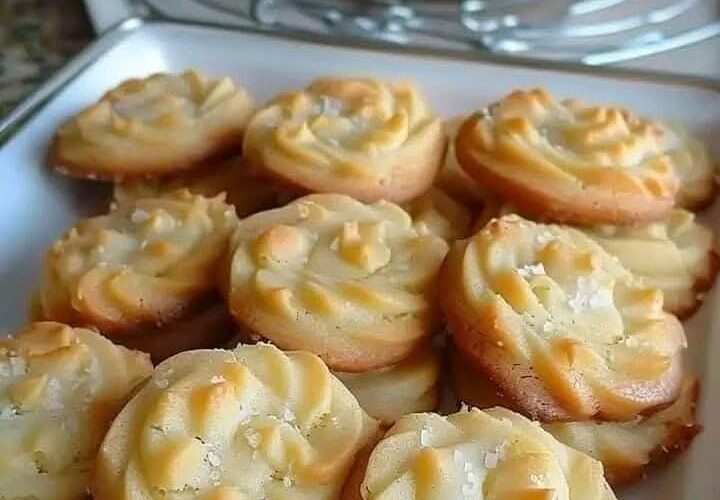
The world’s best butter cookies are golden, crisp on the edges, and tender at the center. Their flavor is rich yet balanced, with the butter providing a luxurious mouthfeel and the vanilla adding a subtle aromatic note. The texture is delicate, crumbling slightly as you bite, then melting smoothly on the tongue. They are elegant in their simplicity, embodying the essence of comfort food.
Visually, they are understated yet inviting. Their pale golden hue and uniform round shape make them appealing without the need for decoration. They are versatile enough to be enjoyed plain or dressed up with toppings, fillings, or accompaniments. Whether served at a festive gathering or enjoyed quietly with a cup of tea, they bring joy in every bite.
Nutritional Information
Butter cookies are indulgent, and their nutritional profile reflects that. A typical serving of two cookies contains approximately:
- Calories: 160
- Fat: 10g
- Saturated Fat: 6g
- Cholesterol: 35mg
- Sodium: 60mg
- Carbohydrates: 15g
- Sugar: 7g
- Protein: 2g
While they are not a health food, moderation allows you to enjoy them without guilt. Their richness means that a small serving is satisfying, making portion control easier. For those seeking lighter options, substitutions such as whole wheat flour or reduced sugar can be explored, though they may alter texture and flavor.
Conclusion
Butter cookies are more than just baked goods; they are symbols of tradition, comfort, and joy. Their simplicity makes them accessible, while their richness makes them unforgettable. From their European origins to their global popularity, they have remained a beloved treat across cultures and generations. Baking them at home allows you to connect with this heritage, create memories, and share sweetness with others.