
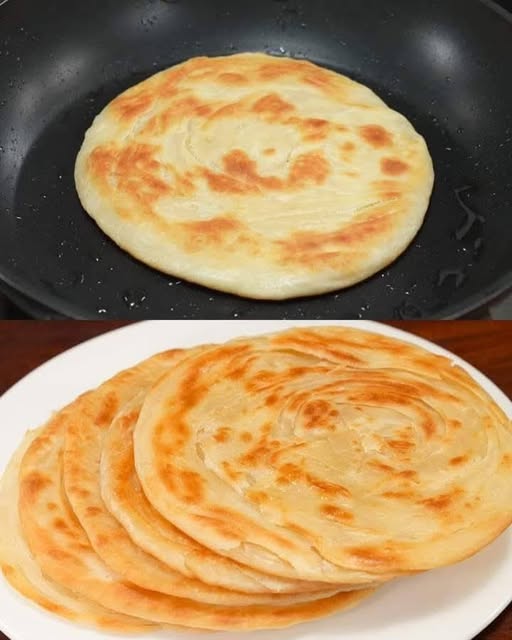
Pancakes and flatbreads are timeless staples in global cuisine. Whether you’re preparing a hearty breakfast, a light snack, or a complementary side dish, these versatile creations are quick to make and endlessly customizable. In this comprehensive guide, we delve into the nuances of crafting the perfect basic pancakes and flatbreads, providing tips, techniques, and creative ideas to elevate your culinary experience.
What Makes Basic Pancakes or Flatbreads Essential?
Basic pancakes and flatbreads are favored for their simplicity and adaptability. With just a few common ingredients, you can create a neutral base that pairs beautifully with sweet or savory toppings. These recipes are excellent for beginners and seasoned cooks alike, offering endless opportunities for experimentation.
Ingredients You’ll Need for Perfect Pancakes and Flatbreads
Achieving great results starts with quality ingredients. Here’s what you’ll need:
- All-Purpose Flour: 500 grams (about 4 cups) for the ideal texture.
- Salt: 5 grams (1 teaspoon) to enhance the flavor.
- Sugar: 10 grams (2 teaspoons) for a hint of sweetness.
- Milk: 330 ml (1 1/3 cups) for a smooth batter.
- Vegetable Oil or Butter: For cooking and ensuring a non-stick surface.
Optional additions: vanilla extract, spices like cinnamon, or herbs for extra flavor.
Step-by-Step Guide to Making Basic Pancakes and Flatbreads
1. Preparing the Batter
Start with a well-mixed batter for consistent results.
- Combine Dry Ingredients: In a large mixing bowl, sift together flour, salt, and sugar to remove lumps.
- Add Liquid Gradually: Slowly pour in the milk while whisking continuously to create a smooth, lump-free mixture.
- Adjust Consistency: The batter should be thick but pourable. If it’s too thick, add a splash of milk. For flatbreads, you may prefer a slightly denser batter.
2. Cooking Pancakes
Follow these tips for fluffy, golden pancakes:
- Preheat the Pan: Heat a non-stick skillet or griddle over medium heat. Lightly grease with vegetable oil or butter.
- Portion the Batter: Use a ladle or 1/4 cup measure to pour the batter onto the pan.
- Monitor Cooking: Cook until bubbles form on the surface and the edges appear set (about 2-3 minutes). Flip and cook for an additional 1-2 minutes until both sides are golden brown.
- Serve Warm: Place cooked pancakes on a plate and cover to keep warm while preparing the rest.
3. Preparing Flatbreads
Flatbreads are just as easy and offer endless versatility.
- Heat the Skillet: As with pancakes, ensure the skillet is preheated and lightly greased.
- Spread the Batter: Pour enough batter to thinly coat the surface of the skillet. Use the back of a spoon to spread it evenly if needed.
- Cook to Perfection: Wait until bubbles form and the edges lift slightly, then flip and cook the other side until golden.
- Cool or Serve: Flatbreads can be served immediately or cooled for use later as wraps or sides.
Creative Toppings and Serving Ideas
The magic of pancakes and flatbreads lies in their versatility. Here are some ideas to inspire your creations:
Sweet Options
- Classic Maple Syrup: A drizzle of maple syrup paired with fresh fruit is always a winner.
- Nut Butter and Banana: Spread peanut or almond butter and top with sliced bananas.
- Dessert Style: Use whipped cream, chocolate chips, or a sprinkle of powdered sugar.
Savory Pairings
- Herb Butter: Spread softened butter infused with garlic and fresh herbs.
- Cheese and Greens: Add grated cheese, spinach, or arugula for a hearty twist.
- Wraps and Sandwiches: Use flatbreads as a base for wraps filled with grilled chicken, hummus, or roasted vegetables.
Expert Tips for Success
- Heat Matters: Ensure your pan is hot but not smoking for even cooking.
- Grease Wisely: Too much oil can cause uneven browning, so use a light touch.
- Rest the Batter: Let the batter sit for 5-10 minutes before cooking to relax the gluten and improve texture.
- Batch Cooking: Make extras and freeze for quick meals later.
Health Benefits of Pancakes and Flatbreads
- Carbohydrates for Energy: Perfect for an active day.
- Customizable Nutrition: Use whole wheat or gluten-free flour for dietary needs.
- Low Waste: Use pantry staples and reduce food waste with leftover-friendly recipes.
Storage and Reheating
Refrigeration
Store leftovers in an airtight container for up to 3 days. Warm them in a skillet or toaster for best results.
Freezing
Place pancakes or flatbreads between parchment sheets in a zip-top bag. Freeze for up to 2 months. Reheat directly from frozen in a skillet or microwave.
Frequently Asked Questions
Can I Use Non-Dairy Milk?
Yes, alternatives like almond, soy, or oat milk work beautifully.
What’s the Difference Between Pancakes and Flatbreads?
Pancakes are thicker and fluffier, while flatbreads are thinner and more pliable.
Can I Add Mix-Ins?
Absolutely! Try blueberries, chocolate chips, or savory ingredients like chopped herbs and cheese.
Can I Make Gluten-Free Versions?
Swap all-purpose flour for a gluten-free blend and adjust the liquid if necessary.
Conclusion
Basic pancakes and flatbreads are culinary chameleons, ready to adapt to any occasion or craving. Whether you prefer them sweet or savory, their ease of preparation and delightful taste make them a household favorite. Start experimenting today, and discover why these recipes are indispensable for every cook.