
A Deep Dive into the Debate
The History of Aunt Jemima
Origins of the Brand
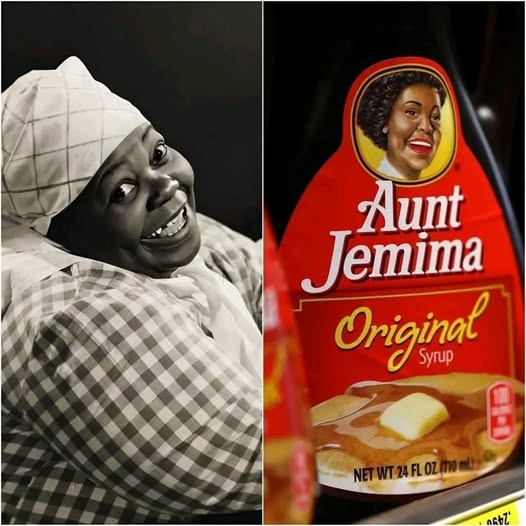
Aunt Jemima was first introduced in the late 19th century as a ready-made pancake mix, one of the earliest convenience foods. The brand’s name and image were inspired by a minstrel show character, which was rooted in racial stereotypes. While the pancakes became a household staple, the brand’s image was steeped in a problematic portrayal of African-American women.
The Image of Aunt Jemima
For decades, Aunt Jemima was depicted as a smiling, maternal figure, wearing a headscarf. While this image resonated with many for its warmth and familiarity, critics argued it perpetuated harmful stereotypes about servitude and race.
The Shift Away from Aunt Jemima
Rebranding to Pearl Milling Company
In 2020, Quaker Oats, the parent company, announced the rebranding of Aunt Jemima to Pearl Milling Company. This decision was part of a broader move to address racial insensitivity in marketing. While some applauded the effort, others criticized it as erasing a cultural icon.
Social Movements and Cultural Shifts
The Black Lives Matter movement played a significant role in driving the decision. Companies across industries reevaluated their branding to ensure they weren’t perpetuating outdated stereotypes. This societal shift emphasized the need for greater inclusivity.
Arguments for Bringing Aunt Jemima Back
Nostalgia and Tradition
For many, Aunt Jemima represents childhood memories and a sense of comfort. These emotional ties have fueled a push to bring her image back, arguing that it’s an integral part of American culinary culture.
Economic Considerations
The rebranding’s financial impact cannot be ignored. Some reports suggest that sales of Pearl Milling Company products have been lackluster compared to Aunt Jemima. Supporters argue that reinstating the original branding could revitalize market performance.
Arguments Against Bringing Aunt Jemima Back
Sensitivity to Modern Social Issues
Critics of the idea argue that bringing back Aunt Jemima would ignore the progress made in addressing racial insensitivity. The rebranding symbolizes a commitment to moving forward rather than clinging to outdated traditions.
Progress in Representation
The rebranding opens doors for more inclusive representation. By retiring Aunt Jemima’s image, the company signals its awareness of the role brands play in shaping societal narratives.
The Middle Ground
A New Approach to Branding
Finding a middle ground could involve reintroducing elements of Aunt Jemima’s heritage without the controversial imagery. Perhaps a modernized logo or a campaign celebrating the brand’s history in a respectful way could strike a balance.
Learning from Other Brands
Brands like Uncle Ben’s (now Ben’s Original) have also navigated similar waters. These examples offer lessons in how to honor legacy while evolving with societal norms.
Public Opinion on Aunt Jemima’s Legacy
Polls and Surveys
Public opinion is divided. While older generations tend to favor the original branding, younger demographics often prioritize inclusivity and social awareness.
Social Media and Online Discourse
The debate is alive and well on platforms like Twitter and Facebook. Viral posts and hashtags have kept the conversation going, highlighting both passionate support and staunch opposition.
Conclusion
The debate over bringing Aunt Jemima back reflects a broader cultural conversation about tradition, inclusivity, and change. While nostalgia pulls one way, societal progress demands another. Whether Aunt Jemima returns or stays retired, the discussion underscores the power of branding in shaping identity and values.
FAQs
- What prompted the removal of Aunt Jemima from the packaging?
The removal was prompted by a desire to address racial stereotypes tied to the brand’s imagery. - How has Pearl Milling Company performed since the rebranding?
Reports suggest mixed results, with some consumers expressing dissatisfaction with the new branding. - Are there other brands with similar controversies?
Yes, brands like Uncle Ben’s, Eskimo Pie, and Land O’Lakes have undergone similar rebranding efforts. - Why do some people want Aunt Jemima back?
Many feel nostalgic and believe the brand represents a cherished part of American culture. - Can a brand stay true to its history while being socially responsible?
Absolutely. By modernizing its approach and embracing inclusivity, a brand can honor its legacy while evolving.