
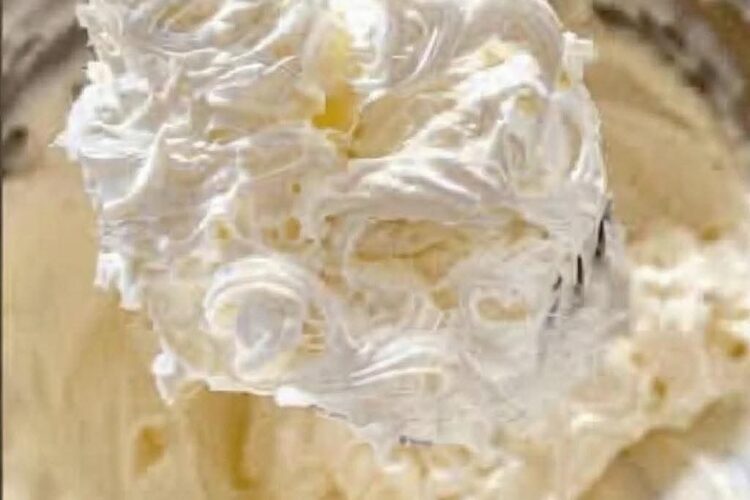
Ermine Frosting (The Legendary $300 Frosting Recipe)
The Silky, Old-Fashioned Frosting That Turns Any Cake Into a Bakery Masterpiece
There are frosting recipes that taste good, frosting recipes that look good, and then there are frosting recipes that quietly change the way you think about cake forever. Ermine frosting belongs firmly in that last category. Often described as light as whipped cream, smoother than buttercream, and less cloyingly sweet than modern frostings, ermine frosting is a timeless classic that has stood the test of generations.
Legend has it that this frosting recipe once sold for $300, passed quietly from baker to baker as a guarded secret. While that story may sound dramatic, one taste of ermine frosting makes it easy to understand why it was once considered invaluable. Its texture is luxuriously silky, its sweetness perfectly balanced, and its versatility unmatched. This is the frosting that elevates a simple cake into something that feels refined, professional, and unforgettable.
Ermine frosting is especially famous as the original frosting used on classic red velvet cake, long before cream cheese frosting became popular. However, its uses go far beyond red velvet. It pairs beautifully with vanilla, chocolate, spice cakes, cupcakes, and even layered celebration cakes. If you are searching for a frosting that spreads like a dream, pipes cleanly, and melts smoothly on the tongue without overwhelming sweetness, this is the recipe you need.
What Is Ermine Frosting?
Ermine frosting, sometimes called boiled milk frosting or flour buttercream, is a unique style of frosting that differs significantly from American buttercream. Instead of relying solely on powdered sugar for structure, ermine frosting begins with a cooked milk-and-flour base that is cooled completely before being whipped into butter and sugar.
This cooking step may sound unusual, but it is precisely what gives ermine frosting its signature texture. The flour thickens the milk into a smooth, pudding-like paste, which then blends seamlessly with butter to create a frosting that is creamy, stable, and remarkably light.
Unlike traditional buttercream, ermine frosting does not taste overwhelmingly sweet. Instead, it has a clean, dairy-rich flavor with a subtle vanilla note and a smooth finish that complements cake rather than overpowering it.
Why Bakers Love Ermine Frosting
Ermine frosting has quietly earned a devoted following among professional and home bakers alike. Once you try it, it becomes difficult to go back to heavier, sugar-forward frostings.
Here are a few reasons why this frosting is so beloved:
It is lighter than buttercream and less dense on the palate
It spreads effortlessly without tearing cake layers
It pipes smoothly and holds its shape well
It has a balanced sweetness that enhances cake flavor
It creates a bakery-quality finish without being greasy
This frosting is particularly ideal for people who find traditional buttercream too sweet or heavy. It also performs beautifully in warmer conditions compared to whipped cream frostings, making it a reliable choice for events and celebrations.
Ingredients Overview
One of the most appealing aspects of ermine frosting is its simplicity. It uses everyday ingredients that you likely already have in your kitchen.
Ingredients
- 1 cup milk
- 5 tablespoons all-purpose flour
- 1 cup butter, softened
- 1 cup granulated sugar
- 1 teaspoon vanilla extract
Each ingredient plays a specific role in creating the frosting’s structure, texture, and flavor.
Understanding the Role of Each Ingredient
Milk
Milk forms the base of the cooked mixture. Whole milk is recommended for the richest flavor and smoothest texture, though 2 percent milk can also be used. The milk hydrates the flour and helps create the silky custard-like base.
All-Purpose Flour
Flour acts as the thickening agent. When cooked with milk, it creates a smooth paste that gives the frosting its structure without making it heavy. Proper cooking is essential to eliminate any raw flour taste.
Butter
Butter provides richness and body. It must be fully softened before mixing so it incorporates smoothly. Butter gives the frosting its creamy mouthfeel and luxurious finish.
Granulated Sugar
Unlike American buttercream, which uses powdered sugar, ermine frosting relies on granulated sugar. The sugar dissolves into the butter during whipping, creating a smooth sweetness without grit.
Vanilla Extract
Vanilla enhances the overall flavor and gives the frosting its classic bakery aroma. High-quality vanilla extract is recommended.
Equipment Needed
- Medium saucepan
- Whisk
- Mixing bowls
- Stand mixer or hand mixer
- Rubber spatula
Step-by-Step Instructions
Step 1: Cook the Milk and Flour Mixture
In a medium saucepan, whisk together the milk and all-purpose flour until completely smooth. Make sure there are no lumps before placing the pan over heat.
Set the saucepan over medium heat and cook the mixture, whisking constantly. As it heats, it will begin to thicken. Continue cooking until the mixture reaches a thick, pudding-like consistency. This usually takes 5 to 7 minutes.
The mixture should be thick enough that a spoon dragged through it leaves a visible trail. Do not stop cooking too early, as undercooked flour can lead to a raw taste.
Step 2: Cool Completely
Transfer the cooked mixture to a clean bowl. Press plastic wrap directly onto the surface to prevent a skin from forming.
Allow the mixture to cool completely to room temperature. This step is crucial. If the mixture is even slightly warm, it will melt the butter later and prevent the frosting from whipping properly.
Step 3: Cream the Butter and Sugar
In a large mixing bowl, beat the softened butter until creamy and pale in color. Gradually add the granulated sugar while continuing to beat.
Beat the mixture for several minutes until it becomes light, fluffy, and noticeably lighter in color. The sugar will dissolve into the butter, creating a smooth base.
Step 4: Add the Cooled Milk Mixture
Once the milk mixture is completely cool, begin adding it to the butter mixture one spoonful at a time. Beat well after each addition.
At first, the frosting may appear curdled or separated. Continue beating without stopping. After a few minutes, the mixture will transform into a smooth, silky frosting.
Step 5: Add Vanilla and Final Whip
Add the vanilla extract and continue beating for another 2 to 3 minutes. The frosting should be light, fluffy, and spreadable with a satin-like texture.
Texture and Flavor Profile
Ermine frosting is incredibly smooth, with a texture often compared to whipped cream crossed with buttercream. It melts easily on the tongue and leaves no greasy or sugary aftertaste.
The flavor is subtly sweet, buttery, and lightly vanilla-scented. It enhances the cake beneath it rather than masking it, making it ideal for cakes with delicate or complex flavors.
Best Cakes to Pair With Ermine Frosting
- Red velvet cake
- Vanilla layer cake
- Chocolate cake
- Spice cake
- Carrot cake
- Cupcakes of any flavor
Because of its neutral flavor, ermine frosting also works beautifully as a base for flavored variations.
Flavor Variations
Chocolate Ermine Frosting
Add melted, cooled chocolate or cocoa powder to the finished frosting for a rich chocolate version.
Citrus Ermine Frosting
Add lemon or orange zest and a small amount of juice for a bright, fresh flavor.
Almond or Coconut
Replace vanilla with almond or coconut extract for a subtle twist.
Storage and Make-Ahead Tips
Ermine frosting can be stored in an airtight container in the refrigerator for up to 5 days. Before using, allow it to come to room temperature and re-whip briefly to restore its texture.
Frosted cakes can be stored refrigerated and brought to room temperature before serving for best flavor and consistency.
Troubleshooting Common Issues
Frosting Looks Curdled
This usually means the mixture needs more whipping. Continue beating until it smooths out.
Frosting Is Too Soft
The butter may have been too warm. Chill the frosting slightly, then re-whip.
Grainy Texture
This can happen if the sugar is not fully dissolved. Beat longer to allow the sugar to incorporate.
Why This Frosting Is Worth the Hype
Ermine frosting may not be as trendy as some modern frostings, but its performance and flavor speak for themselves. It offers everything bakers want: elegance, stability, versatility, and a refined taste that feels professional.
It is the kind of recipe that becomes a signature once you master it, the frosting people ask about long after the cake is gone.
Final Thoughts
This legendary ermine frosting recipe proves that the best things in baking are often the simplest. With a short ingredient list, straightforward technique, and exceptional results, it earns its reputation as one of the finest frostings ever created.
If you want a frosting that feels luxurious without being heavy, sweet without being overpowering, and classic without being boring, ermine frosting deserves a permanent place in your recipe collection.